

The recent release of ADS-L 4 SRD860 Issue 2 by the European Union Aviation Safety Agency to standardise the message set across Electronic Conspicuity (EC) marks a significant moment in the evolution of EC across Europe. PilotAware wholeheartedly welcomes and supports this development.
ADS-L provides the industry with something it has urgently needed for years: a harmonised, proportionate and frequency-sensible EC protocol that enables interoperability without forcing legacy licensed aviation infrastructure into roles it can no longer reliably support on an increasingly congested aviation frequency.
By 3 December, every PilotAware ATOM ground station both in the UK and mainland Europe were upgraded to:
This achievement demonstrates:
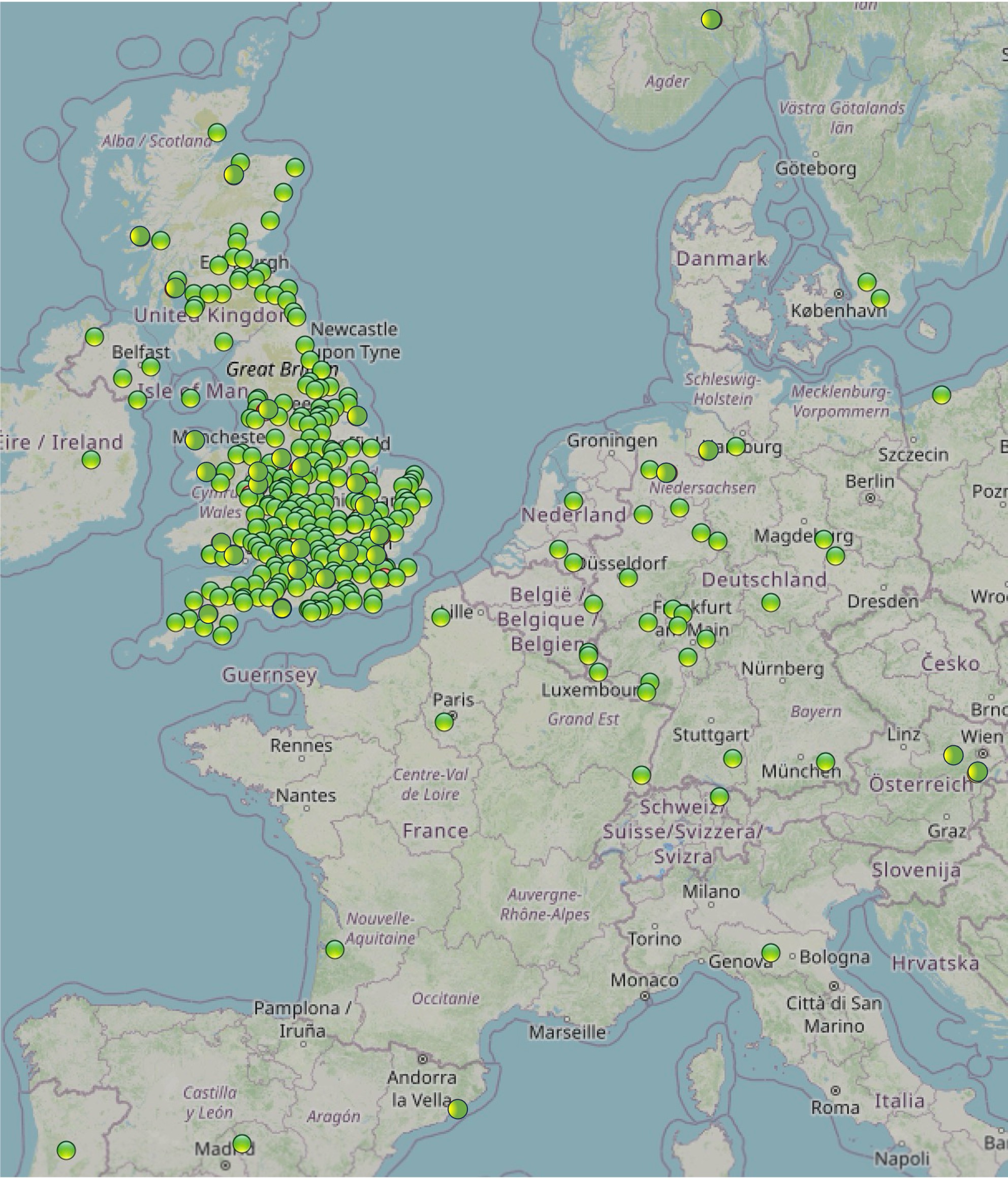
With the ATOM ground network upgrades complete, ADS-L transmissions are now being:
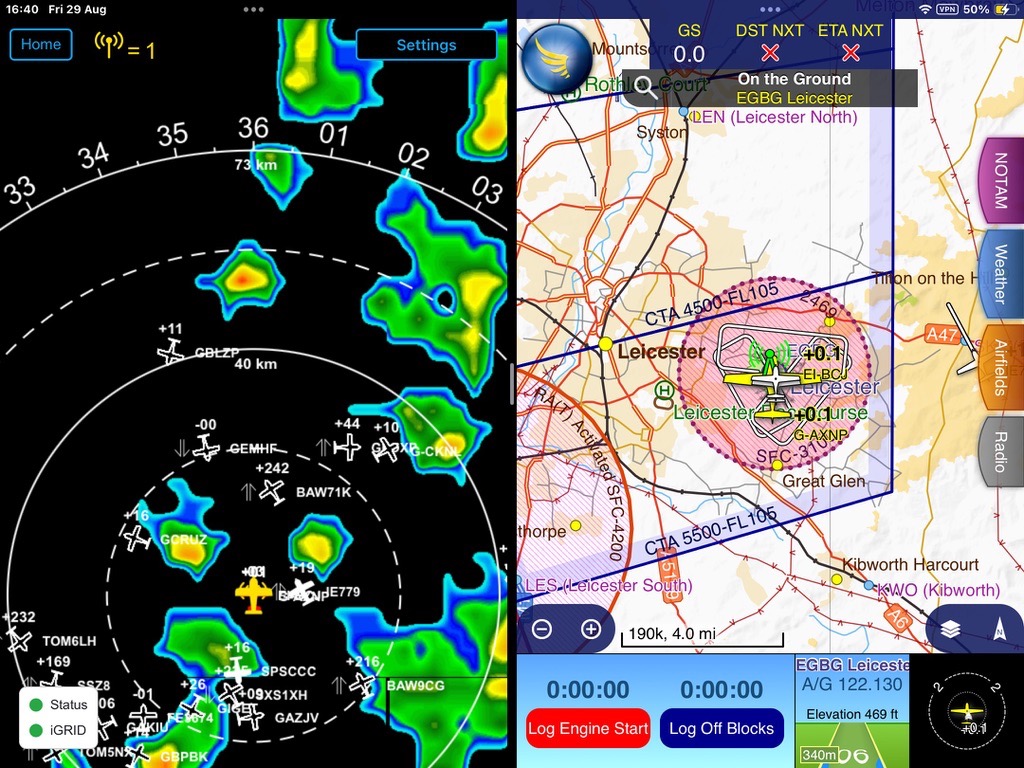
In effect, the PilotAware network has become the first large scale operational ADS-L surveillance layer in UK and Europe, delivering airspace visibility immediately with this immediate Over the Air (OTA) software release.
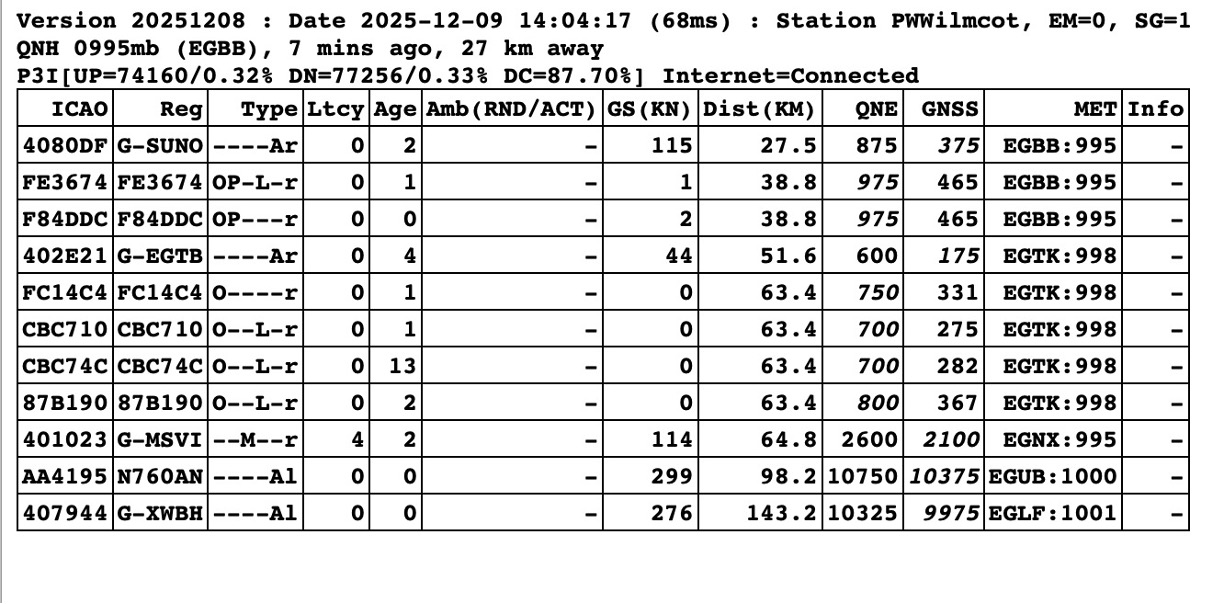
ADS-L O-Band signalling has now been integrated into the latest firmware for:
ADS-L is now available to all FX and Rosetta users via an OTA software update, using the PilotAware iGRID architecture.
This means thousands of GA, microlight, glider, and UAV operators will become ADS-L compatible without needing to purchase a new device. Nice
PilotAware supports the ADS-L standard and recognises the value of a unified European protocol.
ADS-L solves an important problem: it aligns Europe onto a common message format on modern SRD-860 frequencies. This is a prerequisite for interoperability in U Space.
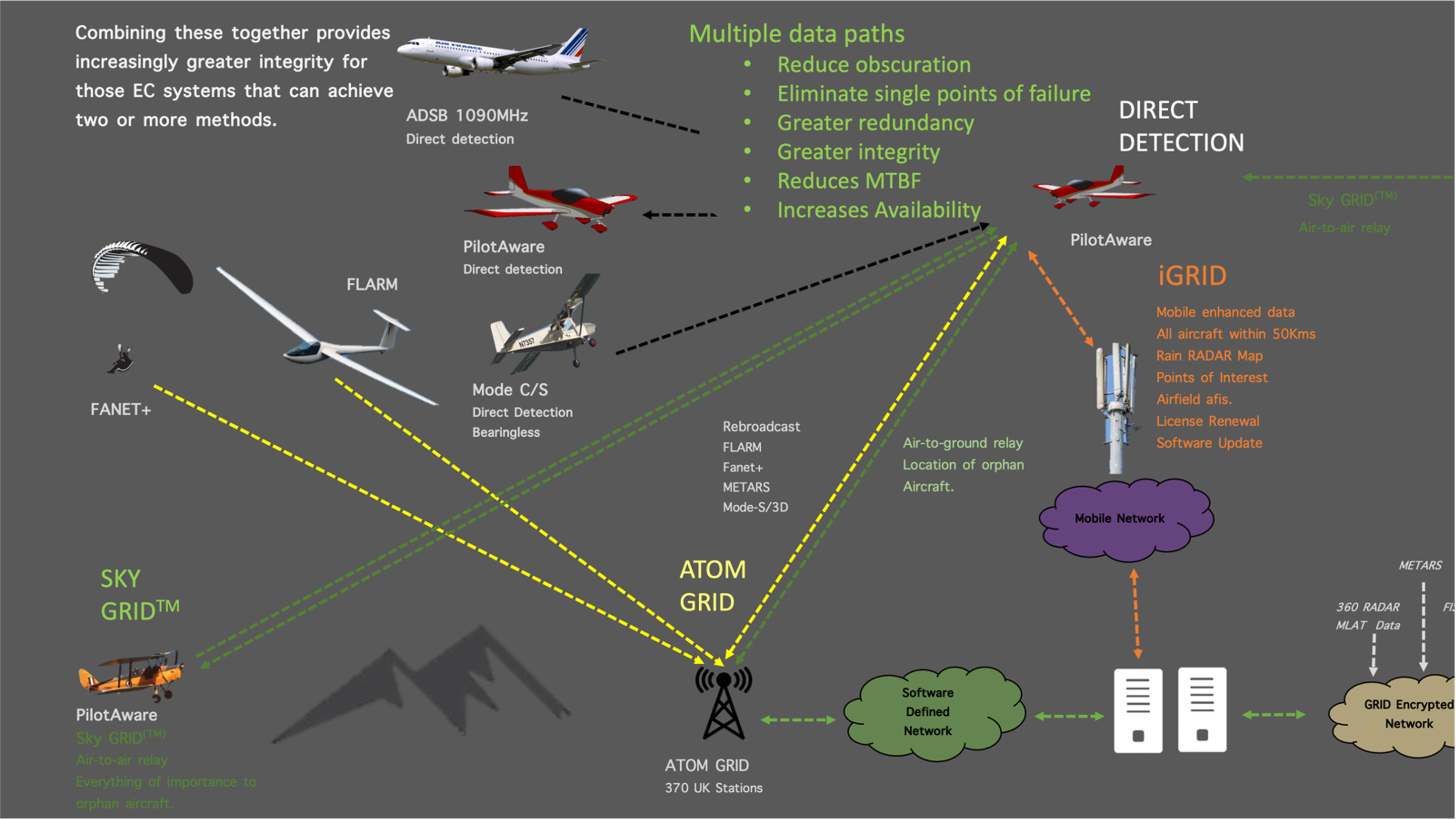
But ADS-L alone does not provide the advanced features provided by the PilotAware MATRIX.
These will remain the strengths of the PilotAware MATRIX.
Alll EC types will be detected and displayed with the lowest latency and highest resolution posiible.
PilotAware - Flarm - Fanet+ - ADSB - (DF 17 and DF18), Mode-S whether they are using ADS-L or not. Magic!
The integration strategy is in-line with our current capacity and future vision: PilotAware does the integration to make it easy for you
ADS-L provides the standard; the PilotAware MATRIX provides the capability and the integrity.
Together they deliver something uniquely powerful for European aviation.
PilotAware will continue to fully support EASA’s work on ADS-L.
We both share common objectives:
Objectives that will also:
· provide a reduction in the increasingly unnecessary load on the already congested 1090 MHz band, helping to ensure that ADS-B continues to function reliably in the busy European airspace as traffic volumes grow.
· preserve the 1090 MHz capacity for commercial aviation, where high-power, high-integrity ADS-B and Modes-C/S remains essential to the safety net for large transport aircraft, TCAS, and en-route surveillance systems in IMC.
· provide GA and unmanned aviation with a proportionate alternative, using modern SRD-860 frequencies with the standardised ADS-L protocol to support situational awareness in lower-risk environments without consuming 1090 MHz bandwidth.
Our rapid deployment again demonstrates that:
PilotAware will continue to work with EASA, national authorities, industry partners and competing manufacturers to ensure the safe adoption of ADS-L across Europe.

Over the coming months PilotAware will:
Our aim, since inception, remains consistent and simple:
To help provide the most complete, most connected, and most practical situational awareness available to European airspace users of all types.
This is a moment of significant progress, not just for PilotAware, but for European aviation as a whole.

PilotAware® is a registered trademark of PilotAware LTD. All site content, unless otherwise noted, is Copyright 2015-2026 PilotAware LTD Is Registered In England #09786359- VAT Registration # GB265717774